
IT Asset Analytics: Metrics, Benefits & How to Start
Learn what IT asset analytics is, which metrics to track, and how to use device data to cut costs, reduce security risk, and plan refresh cycles.
1 min read

In today’s tech landscape, hardware has become strategic. Artificial Intelligence (AI) and high-performance workloads are reshaping how memory is produced, distributed, and priced, with major implications for businesses that equip distributed teams of developers, designers, data analysts, and engineers.
Here’s what you need to know and how smart outsourcing in IT procurement and support can protect your bottom line in the era of AI demand.
Market Shift: AI Demand First = Memory Tight
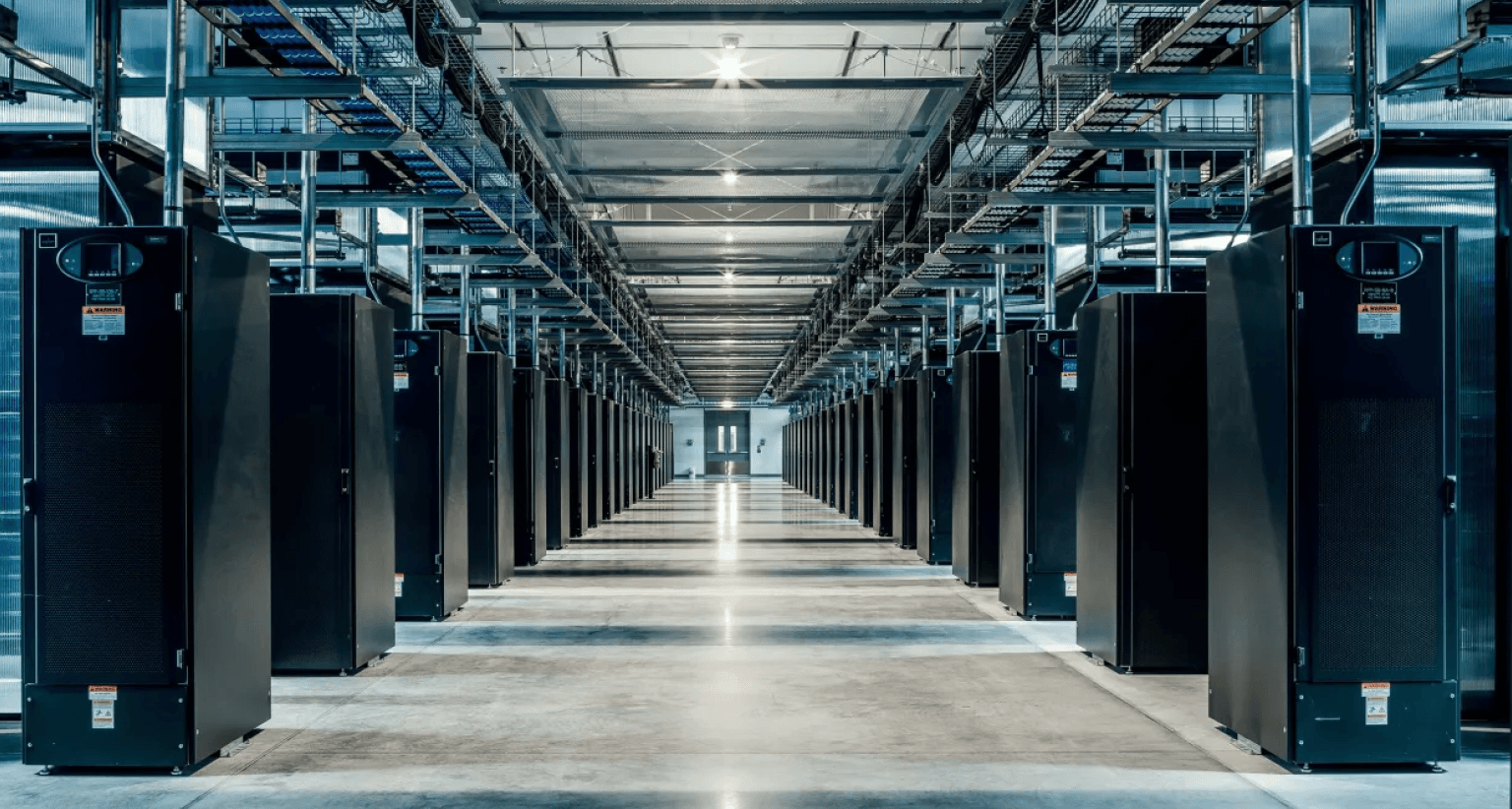
The global memory market is under pressure. Makers of memory chips are prioritizing High Bandwidth Memory (HBM) for AI data centers over traditional DDR memory used in PCs and laptops. This shift is tightening supply for standard memory types that high-performance workstations and remote employees rely on.
Average memory prices, including DRAM modules essential to laptops and desktops, have surged by 50–55% compared with late 2025 levels, according to Business Standards.
Analysts expect DRAM and NAND prices to remain high through 2026 as AI infrastructure continues to absorb production capacity. This isn’t a short glitch, but a structural shift.
Impact on PC & Device Markets
The ripple effect shows up in the hardware that companies buy for their teams. Manufacturers are reallocating production to serve AI data center demand first, tightening DDR availability and pushing up prices for high-end notebooks and desktops needed by remote talent.
Some market forecasts even predict sustained pricing pressure into 2027 and beyond, memory could account for a much larger share of total PC material costs than in previous years.
The PC market is growing only modestly as demand softens under higher prices and inventory constraints. In other words: your procurement strategy today must account for supply prioritization and price volatility.

Why This Matters for High-Performance Remote Roles
Even without comprehensive hardware-specific surveys, broader hiring trends support the need for better equipment investment:
Software developers and IT specialists are among the fastest-growing roles in tech job markets, with growth rates well above average.
Web developers and digital designers, roles that demand powerful systems for coding, graphics, design, and interface work, are projected to grow faster than average employment sectors.
These professionals don’t work with spreadsheets alone. They typically require machines with:
High-capacity memory (16–64 GB+ RAM)
Fast CPUs/GPUs
Large-capacity and fast storage
Durability for remote/hybrid work
New AI Demands: What Smart IT Leaders Should Do Next
✔ Monitor the memory market and hardware trends: prices are changing due to AI demand, not vendor pricing games.
✔ Communicate proactively with stakeholders: set expectations around hardware budgets and timelines.
✔ Explore alternative procurement and support strategies: outsourcing or managed services can help secure better pricing and support high-performance teams.
✔ Invest in performance where it matters: under-powered hardware costs more in productivity losses than the upfront spend.
Frequently Asked Questions (FAQs)
Memory manufacturers are reallocating production toward high-bandwidth memory (HBM) used in AI servers, which tightens supply of DDR for normal laptops and desktops. This causes price hikes that ripple through the whole device ecosystem.
Not necessarily. Delaying procurement can lead to even higher costs later if shortages persist. Instead, planning and early procurement, or outsourcing through partners with market insight, can secure better pricing and availability.
Developers, designers, engineers, and analysts rely on machines with high RAM and speed to be productive. With memory tightening and prices rising, companies that wait risk under-equipped teams and slower project delivery, both of which cost far more than hardware itself.
Smart IT procurement and support strategies, including market monitoring, flexible procurement options, and leveraging outsourcing partners, can deliver better pricing, reduced risk, and predictable total cost of ownership.
Explore our
topics
Learn what IT asset analytics is, which metrics to track, and how to use device data to cut costs, reduce security risk, and plan refresh cycles.
1 min read

Doubling your global team? Learn how to scale IT with standard kits, automated onboarding, local logistics and secure offboarding across 160+ countries.
1 min read

Global ITAM keeps procurement, onboarding, and offboarding running worldwide. See the real numbers, the rules, and what actually works.



contact@tecspal.com
+1 305-450-4911
111 Pine St #1650, San Francisco, CA
Subscribe to our weekly newsletter to receive the latest news and updates.