
How to Scale IT Operations When Your Global Team Doubles | Tecspal
Doubling your global team? Learn how to scale IT with standard kits, automated onboarding, local logistics and secure offboarding across 160+ countries.
1 min read

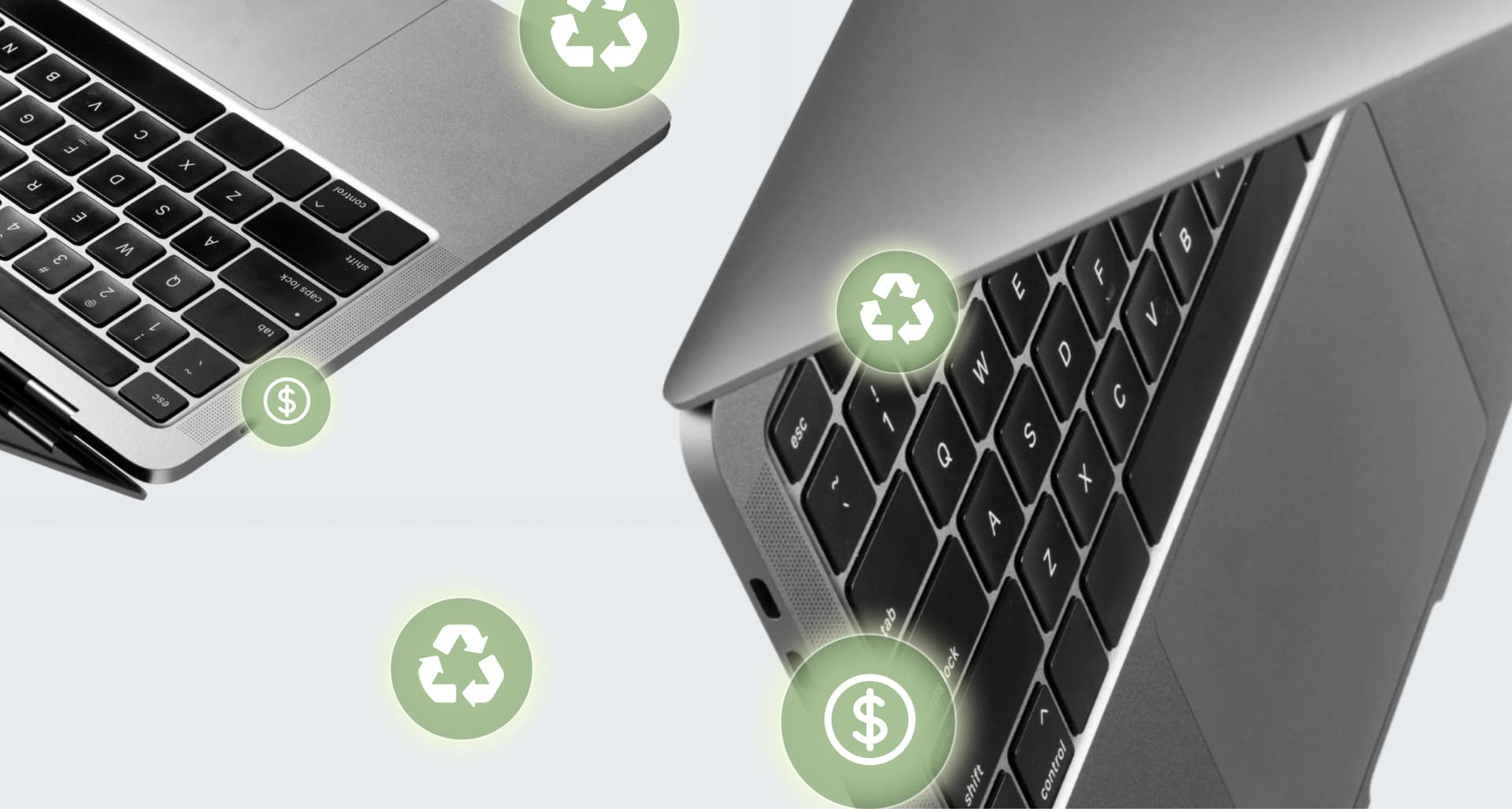
IT assets depreciate fast and most companies wait too long to act. This guide covers the depreciation curve for common business devices, the factors that most affect resale value, and the concrete steps organizations can take to maximize their IT buyback returns before value falls off the cliff.

Overview
Every laptop, server, and mobile device your company owns is depreciating right now. The question is not whether the value will drop it is how fast, and whether you will act before it does.
IT buyback programs allow companies to sell their retired or surplus hardware back to a vendor or ITAD provider, recovering real cash or credit that can offset the cost of new equipment. Done at the right time, a well-executed buyback strategy can fund a significant portion of your next hardware refresh cycle.
Done too late after devices have sat in storage for two or three years past their optimal retirement window the same devices might fetch a fraction of their potential value.
This guide covers everything you need to know to time your buyback correctly, prepare your assets for maximum return, and build a hardware lifecycle strategy that turns retired equipment into a recoverable business asset.
Understanding IT Hardware Depreciation
How Fast Does IT Equipment Lose Value?
IT hardware depreciates faster than almost any other asset class. Unlike a vehicle or piece of industrial equipment, electronics face both physical wear and technological obsolescence meaning the market value erodes even when the device still works perfectly.
Here are typical depreciation patterns for common business devices (Values are approximate and vary by condition, configuration, and current market demand):
| Device Type | Year 1 | Year 2 | Year 3 | Year 4+ |
|---|---|---|---|---|
| MacBook Pro (M-series) | 75–85% of OEM | 55–70% | 35–50% | <25% |
| Windows Business Laptop | 65–75% of OEM | 45–60% | 25–40% | <20% |
| iPad / Tablet | 60–70% of OEM | 40–55% | 20–35% | <15% |
| iPhone / Smartphone | 70–80% of OEM | 45–60% | 25–40% | <20% |
| Desktop Workstation | 55–65% of OEM | 35–50% | 20–35% | <15% |
3 years is the optimal retirement window for most business laptops. At this point, devices still retain 35–55% of their original value enough to generate meaningful buyback returns.

The 5 Factors That Determine Your Buyback Value
1. Age and Generation
The single most powerful predictor of resale value is device age relative to the current generation of hardware. A two-year-old MacBook Pro commands strong secondary market interest. A five-year-old one even in perfect condition may struggle to find buyers at any meaningful price.
Generation transitions accelerate depreciation. When Apple releases a new chip architecture or Microsoft introduces a major platform update, previous-generation hardware loses value faster than the normal depreciation curve would suggest.
2. Physical Condition
Condition is the second most important factor and the one your team has the most control over. Devices in excellent physical condition (no major scratches, functioning ports, original packaging if available) can command 20–30% more than otherwise identical devices with visible wear.
Screen condition: cracks or dead pixels significantly reduce value
Battery health: devices with battery at 80%+ of original capacity are preferred by secondary buyers
Key functionality: all ports, webcam, keyboard, and trackpad must work correctly
Cosmetic damage: dents, scratches, and missing components reduce value even when hardware functions normally
3. Storage and RAM Specifications
Higher-spec configurations hold value better. A MacBook Pro with 16GB RAM and 512GB storage will fetch significantly more than the base model at any point in its depreciation curve. When procuring new hardware, over-speccing slightly can pay dividends at resale time.
4. Market Timing
Secondary hardware markets are cyclical. Demand peaks before and after major product releases, at the start of new fiscal quarters, and around enterprise refresh cycles. Timing your buyback submission around these windows rather than simply when a device hits a storage shelf can meaningfully increase your return.
Pro Tip: Submit devices for buyback assessment in Q1 or Q3, when enterprise procurement activity is highest and secondary market demand is strongest.
5. Data Erasure Status
Devices that have been professionally wiped and certified command higher secondary market value because the buyer has confidence in the device's data hygiene. An ITAD provider offering a Certificate of Destruction creates a trust chain that translates directly into price.
Learn more about how certified erasure supports both compliance and resale value: Certificate of Destruction: Secure and Responsible IT Disposal
The Buyback Timing Mistake Most Companies Make
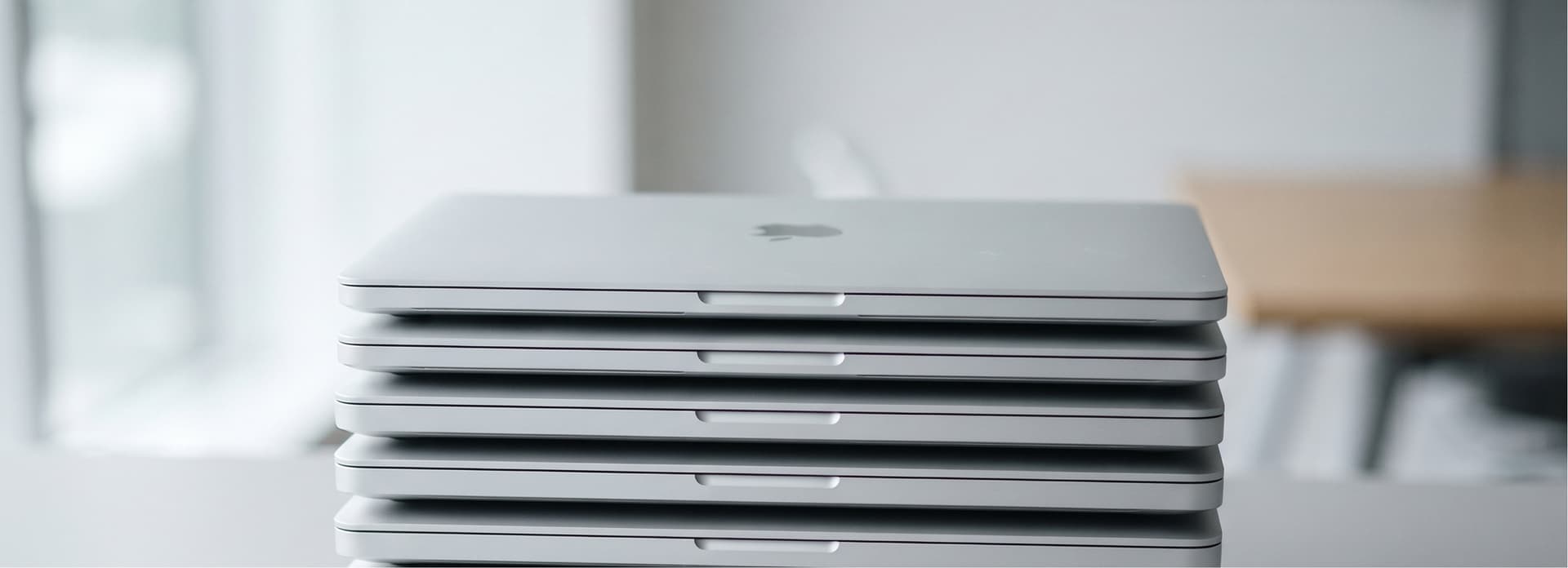
The most common mistake is simple: waiting too long. Devices accumulate in storage rooms, IT closets, and desk drawers long past their optimal retirement window. By the time someone gets around to processing them, the market value has dropped 40–60%.
This happens for predictable reasons: no one owns the retirement decision, there's no visibility into device age across the fleet, and the upside of acting proactively is less visible than the cost of acting at all.
Building a Proactive Retirement Schedule
The fix is a hardware retirement schedule built into your IT asset management process, not a reactive exercise triggered by device failure or storage congestion.
Inventory every device with its purchase date, model, and current condition in a centralized ITAM system
Set automated alerts at the 2.5-year mark so devices can be assessed for buyback before value falls
Flag devices approaching 3 years for quarterly buyback batching volume submissions often attract better rates
Track buyback proceeds as a budget line item to demonstrate the financial value of proactive retirement
How to Prepare Devices for Maximum Buyback Value
Before You Submit
Preparation before submission directly affects the assessment value your provider assigns. A few simple steps can meaningfully increase your return:
Remove all company data work with your ITAD provider to ensure certified erasure is documented
Clean the device remove stickers, clean keyboards, wipe screens
Include original accessories where possible chargers, cases, and adapters add value
Document the specs RAM, storage, processor generation, and any upgrades
Check the battery health devices above 80% capacity typically receive better pricing
Submitting in Batches vs. Individual Devices
Batch submissions processing 10, 20, or 50 devices at once typically generate better per-unit returns than submitting individual devices. ITAD providers and buyback programs apply volume pricing that rewards organizational sellers. If you have devices accumulating, wait to build a reasonable batch rather than submitting one at a time.
Pro Tip: Request quotes from multiple buyback providers before committing. Pricing varies significantly by provider and current market demand for your specific device models.

How to Use Buyback Proceeds Strategically
As a Hardware Refresh Cost Offset
The most direct use of buyback proceeds is as a credit toward new hardware procurement. In Tecspal's buyback program, proceeds can be received as either cash or Tecspal credit allowing you to apply recovered value directly to new device orders. For globally distributed teams, this can significantly reduce the net cost of equipment refresh cycles.
As a Budget Planning Tool
When device retirement and buyback are scheduled predictably, proceeds become a foreseeable budget item. Finance teams can model expected recovery values as part of annual IT spend planning reducing the effective cost of hardware ownership over time.
As a Sustainability Reporting Asset
Organizations with ESG reporting requirements can count certified device resale as a measurable contribution to circular economy goals. Hardware that is refurbished and resold avoids landfill, conserves manufacturing resources, and extends device lifespan all trackable against sustainability metrics.
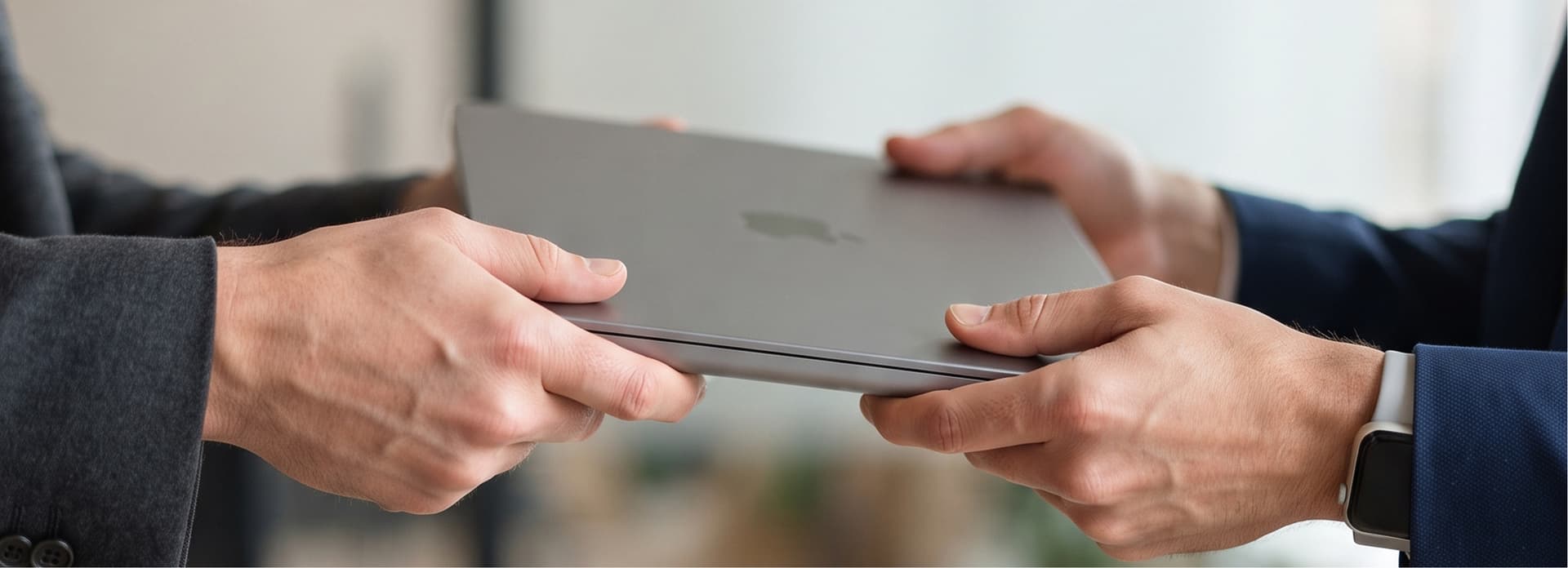
Buyback vs. Donation Which Is Right?
Some organizations choose to donate retired IT equipment to schools, nonprofits, or community organizations rather than pursue a buyback program. Donation is a meaningful option, but it comes with important considerations:
Donation does not generate revenue for organizations that need to offset procurement costs, buyback is the better financial choice
Donation still requires certified data destruction before devices leave your possession liability for data on donated devices rests with your organization
Donation may have tax implications deductible in some jurisdictions, which can partially offset the foregone buyback value
Donated devices should still be functional organizations that accept donated hardware typically cannot use devices that require significant repair
For devices with meaningful resale value, buyback is almost always the better economic choice. Donation is best reserved for devices with low market value but remaining functional life where the social impact justifies the foregone revenue.
Final Thoughts
IT hardware is a significant capital investment and most organizations leave a meaningful portion of its residual value unrealized because they act too late or not at all. A proactive buyback strategy changes that equation.
The companies that get the best returns treat hardware retirement not as a disposal problem but as a financial opportunity. By scheduling refreshes before value drops, preparing devices properly, and partnering with a buyback provider that offers transparency and flexibility, you can recover real value that directly offsets your next procurement cycle.
Tecspal's buyback program operates in 160+ countries, offers cash or credit options, and includes certified data erasure. Get a no-obligation quote today.
Frequently Asked Questions
Before the 3-year mark is ideal for most business laptops. At this point, devices retain enough market value to generate meaningful buyback returns while still being attractive to secondary buyers. Waiting beyond 3 years typically results in significantly lower offers.
Yes, significantly. Apple MacBooks consistently hold secondary market value better than most Windows alternatives, largely due to brand demand and the longevity of Apple Silicon hardware. HP, Dell, and Lenovo business-grade laptops (ThinkPad, EliteBook, Latitude series) also hold value better than consumer-grade equivalents.
Yes always. Your organization retains liability for data on devices until certified destruction is completed. Working with a buyback provider that offers certified data erasure as part of the process is the safest and most compliant approach.
Yes. Tecspal's buyback process starts with a no-obligation quote. You fill out a form with your available equipment, receive tailored quotes, and choose whether to proceed. There's no commitment required at the quote stage.
Devices that are too old, damaged, or obsolete for the secondary market should be processed through a certified e-waste recycling program. Tecspal's recycling service handles end-of-life devices with certified data destruction and eco-friendly materials processing.
Devices that are not tracked in your ITAM system cannot be recovered for buyback they simply disappear into the organization and eventually become unrecoverable e-waste. Strong asset tracking practices prevent this. For more on managing untracked hardware, see: Shadow IT in 2026: What It Is, Why It Happens, and How to Stop It
Explore our
topics
Doubling your global team? Learn how to scale IT with standard kits, automated onboarding, local logistics and secure offboarding across 160+ countries.
1 min read

Global ITAM keeps procurement, onboarding, and offboarding running worldwide. See the real numbers, the rules, and what actually works.
The Apple 2026 Launch announcements and what they mean for IT and People global teams.



contact@tecspal.com
+1 305-450-4911
111 Pine St #1650, San Francisco, CA
Subscribe to our weekly newsletter to receive the latest news and updates.