MacBook Pro M6 for Remote Teams: Roles, Rollout & IT Tips
Apple's new MacBook Pro M6 is here. See which remote roles benefit most and how to plan device rollouts across countries before you buy.
1 min read

What the leadership shake-up does (and doesn't) change for IT teams buying hardware in 2027.
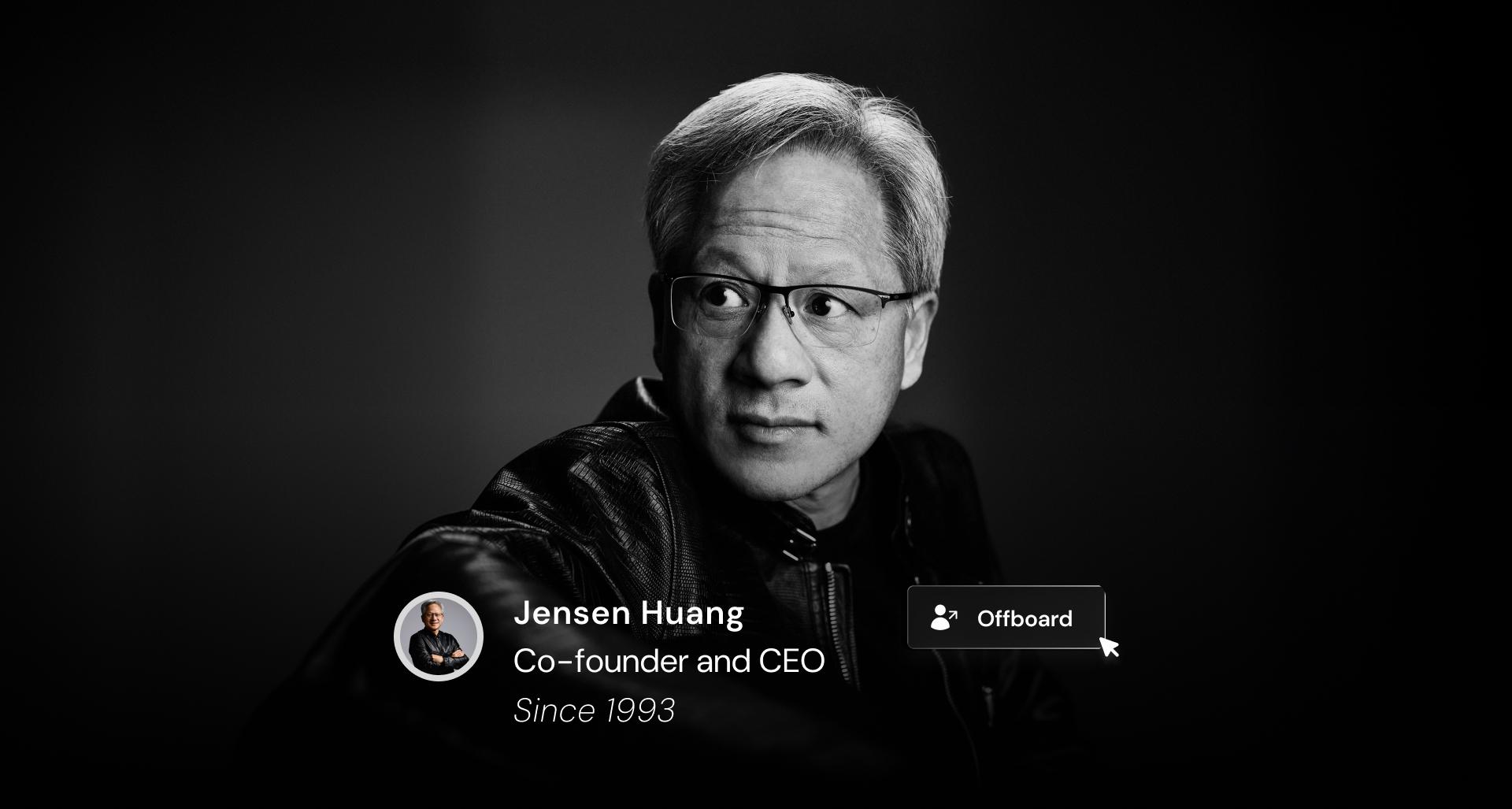
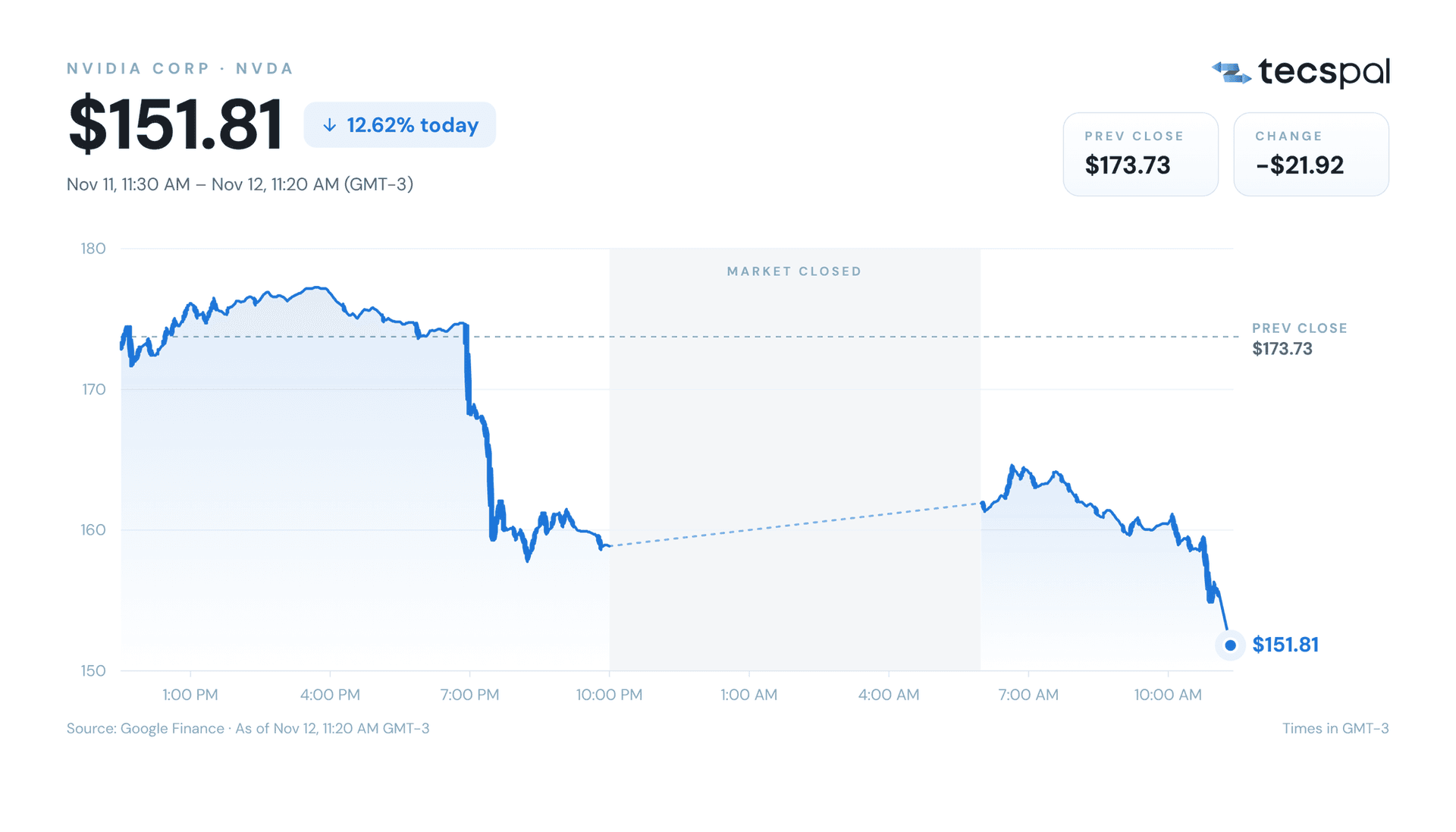
On November 12, 2026, Jensen Huang resigned as NVIDIA's CEO, effective immediately. CFO Colette Kress is serving as interim CEO while the board searches for a permanent successor, and the board says operations, customer commitments and the product roadmap will continue without interruption. NVIDIA's stock fell as much as 14% during the day before recovering part of the loss.
It's a big headline. But for IT teams buying laptops for distributed workforces, the leadership change matters far less than what NVIDIA's AI boom has already done to hardware costs. And that story didn't change today.
What the leadership change means (and doesn't) for IT buyers
The roadmap is already set. Analysts note NVIDIA's product roadmap is defined through 2028 and see little near-term impact on revenue or deliveries. Demand for AI data-center hardware, and the memory it consumes, isn't slowing down.
Expect more scrutiny, not less demand. Given the circumstances of the exit, expect closer attention to NVIDIA's China exposure and export controls. That adds uncertainty to AI-hardware supply, but it doesn't free up a single chip of memory for your laptops.
Existing deals hold; new ones may slow. Analysts expect current commitments to be met, but large new multi-party deals may take longer to negotiate without Huang at the table.
The real issue: AI is eating the memory supply
AI data centers, led by NVIDIA's platforms, consume enormous volumes of high-bandwidth memory (HBM) and, increasingly, conventional DDR5 and LPDDR. That's the same memory that goes into corporate laptops, workstations and servers.
Price, not volume: global DRAM revenue rose 369% year over year in Q3 2026, to nearly $200 billion, while shipments grew only about 4% (Counterpoint Research).
Chip prices have multiplied: a 16Gb DDR5 chip went from $8.70 in October 2025 to $48 in September 2026. TrendForce expects contract prices to rise another 10–15% in Q4 2026, with more increases in early 2027.
Laptops feel it directly: CPU, RAM and storage make up about 68% of a typical $900 notebook's bill of materials (TrendForce). Laptop and desktop prices rose by double digits in Europe this summer, and PC makers such as Acer have warned of increases of around 20%.
Relief isn't close: new memory fabs won't reach volume until late 2027 or 2028, and SK hynix expects shortages to last until 2030.
For IT teams, that means higher sticker prices, lower base RAM configurations and tighter budgets for every new hire through 2027, whoever ends up running NVIDIA.
What IT procurement teams should do now
| Area | Recommended action |
|---|---|
| New-hire laptops | Redeploy before you buy. Every device you recover is one you don't have to buy at peak prices. |
| Planned hardware refresh | If you're refreshing in the next 12–18 months, buy ahead for the devices you know you'll need instead of exposing your budget to volatile prices. |
| Idle and aging devices | Turn them into budget instead of letting them lose value in a closet. |
| Global teams | Compare prices by region and source locally to avoid cross-border import markups. |
How Tecspal helps
Tecspal manages end-to-end hardware logistics for distributed teams in 160+ countries, now backed by Vensure Employer Solutions. Our services target exactly the budget and supply pressure the memory crunch is creating:
Offboarding & IT Storage: we retrieve devices from departing employees, perform certified data erasure, store them in local partner warehouses and re-provision them to new hires, so you don't buy a new, memory-inflated laptop for every new hire.
Buyback & Recycling: turn idle or older laptops into budget credits that offset the cost of the new hardware you do need.
Global IT Procurement: tailored equipment recommendations, multi-vendor and regional price comparisons, and local sourcing in 160+ countries without cross-border import markups.
On-demand, pay-per-service: no recurring platform fees and no upfront inventory stockpiling, so your capital isn't tied up in hardware stock.
Summary: Tecspal's impact on IT buying
| Challenge | Tecspal service | Benefit |
|---|---|---|
| Rising laptop prices and RAM premiums | Offboarding & IT Storage | Extend the life of existing devices by redeploying them instead of buying new at peak prices. |
| Tightening hardware budgets | Hardware Buyback | Convert idle or older laptops into budget credits for new hardware. |
| Supply delays and regional markups | Global IT Procurement | Local sourcing in 160+ countries, multi-vendor price comparisons and single-currency invoicing. |
| Capital tied up in hardware stock | On-demand pay-per-service | No recurring platform fees or upfront inventory stockpiling. |
NVIDIA's leadership will change. The memory crunch won't ease until 2028. Tell us how many people you plan to hire in the next 12 months, and we'll estimate how much you could save by redeploying and buying back devices instead of buying new. Talk to our team.
Explore our
topics
Apple's new MacBook Pro M6 is here. See which remote roles benefit most and how to plan device rollouts across countries before you buy.
1 min read
Learn what IT asset analytics is, which metrics to track, and how to use device data to cut costs, reduce security risk, and plan refresh cycles.
1 min read

Doubling your global team? Learn how to scale IT with standard kits, automated onboarding, local logistics and secure offboarding across 160+ countries.
1 min read



contact@tecspal.com
+1 305-450-4911
111 Pine St #1650, San Francisco, CA
Subscribe to our weekly newsletter to receive the latest news and updates.