
IT Asset Analytics: Metrics, Benefits & How to Start
Learn what IT asset analytics is, which metrics to track, and how to use device data to cut costs, reduce security risk, and plan refresh cycles.
1 min read

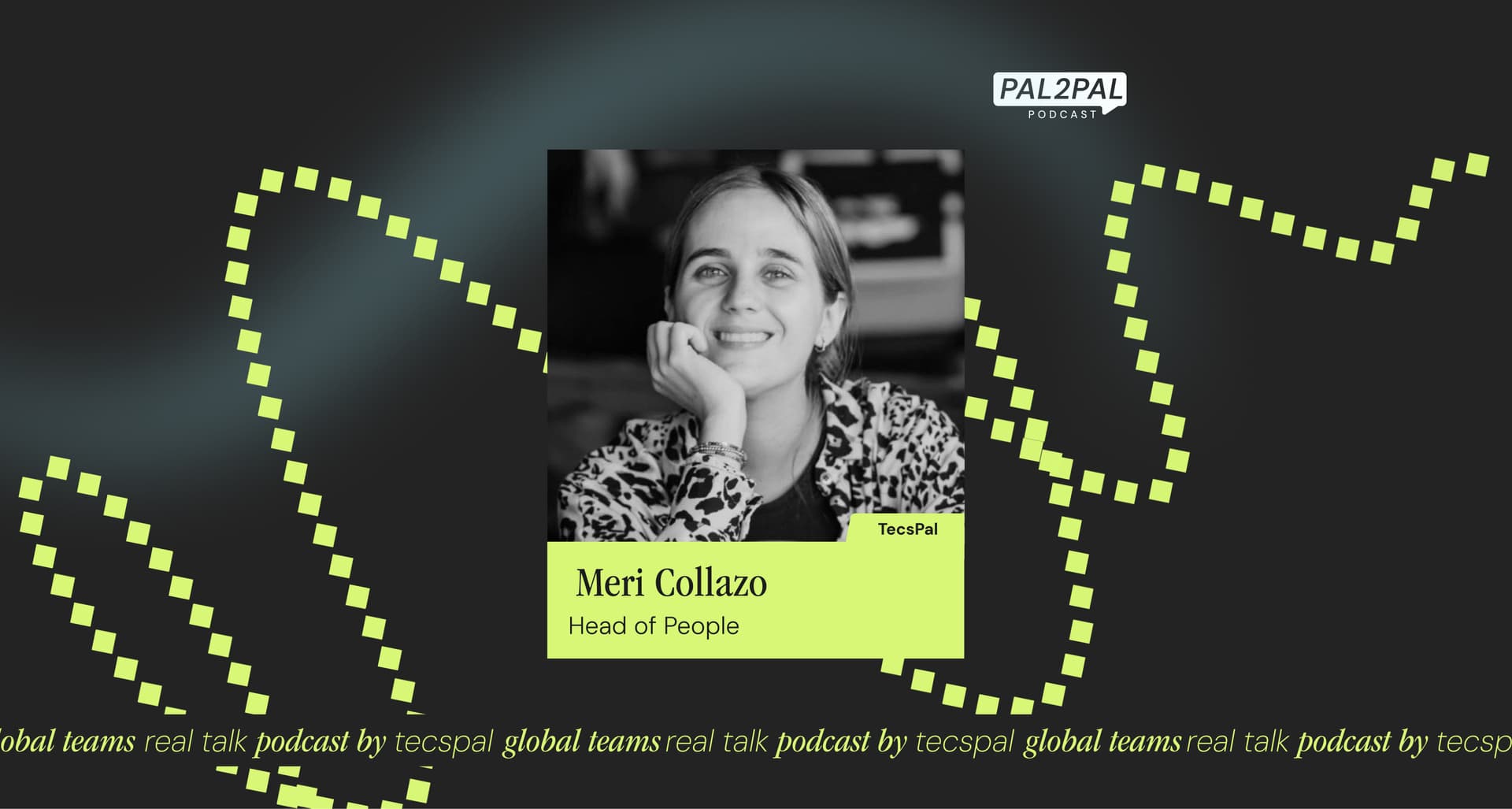
In Episode 4 of Pal2Pal, Rich Guerra sits down with Maria “Meri” Collazo, Global Head of People at Tecspal, to unpack one of the most critical, and human, aspects of global expansion: people.
From building HR processes from scratch to managing culture across continents, Meri shares what it really takes to create trust, engagement, and clarity in distributed teams. Drawing from her background in psychology and organizational behavior, this episode explores onboarding, remote work, vulnerability, and why offboarding deserves just as much care as hiring.
Key Insights by Timestamp
[00:05] Welcome to Episode 4
[01:19] Joining Tecspal and building People Operations from scratch
[02:07] Culture: what you can’t impose — and must understand
[03:56] Remote vs. hybrid work models
[06:47] Why onboarding defines the employee experience
[08:08] Remote onboarding best practices
[09:35] Managing global teams across LATAM, APAC, and beyond
[14:26] One-on-ones as a trust-building tool
[16:40] Language, vulnerability, and working in a second language
[19:41] Offboarding with empathy and responsibility
[23:31] Final thoughts on onboarding, retention, and people-first growth
Episode Summary: People Operations in a Global, Remote World
1. Culture Comes Before Process
When Meri joined Tecspal, there were no formal HR processes in place, but there was a strong culture. That distinction mattered.
“You can’t impose culture,” Meri explains. “It already exists. Your job is to understand it, highlight what supports the business, and gently reshape what doesn’t.”
As Tecspal expanded into Mexico, the Philippines, and other regions, the challenge wasn’t copying a “LatAm culture” everywhere, it was identifying shared values that could translate across borders while respecting local differences.
2. Remote vs. Hybrid: There’s No One-Size-Fits-All
While many companies are pushing employees back to offices, Meri believes the debate isn’t about where people work, it’s about how they connect. Remote work can thrive when companies intentionally create spaces for interaction:
Virtual games and team activities
Informal Slack conversations
Structured but human one-on-ones
Hybrid models, however, add an extra layer of richness by combining physical presence with flexibility. “The hallway conversations of the office need to exist online too,” Meri says.
3. HR in Startups: Wearing Every Hat
In fast-growing startups, People leaders often handle:
Onboarding and offboarding
Employee support
Leadership coaching
Culture building
Conflict resolution
Meri’s advice? Accept the chaos, but stay organized. Clear communication, defined priorities, and an understanding of the different “sub-areas” within People Operations are essential to avoid burnout and confusion.
4. Onboarding Is an Experience, Not a Task
Meri compares onboarding to inviting someone into your home for the first time.It’s not about paperwork or equipment alone, it’s about making someone feel expected and welcomed. Effective onboarding includes:
Equipment delivered before day one
Clear expectations and contracts
A structured first week
Visibility into meetings, tools, and workflows
Whether remote or onsite, onboarding works best when it’s planned well in advance. “Good onboarding reduces early turnover,” Meri emphasizes. “First impressions last.”
5. Building Connection Across Borders
Managing teams across Uruguay, Brazil, Argentina, Mexico, and the Philippines isn’t easy, and Meri is transparent about that. The key isn’t forcing interaction, but creating space for conversation:
Work-related discussions
Casual, personal moments
Shared milestones and life events
Teams shouldn’t be divided by geography, but by purpose and collaboration.
6. One-on-Ones: Trust Over Checklists
In remote environments, one-on-ones are not performance checkpoints, they’re trust-building tools. Some may last five minutes. Others open the door to deeper conversations weeks later.
The goal isn’t to extract information, but to create psychological safety, a space where people can speak when they’re ready.
7. Language, Vulnerability, and Global Teams
Working in a second language creates vulnerability for everyone. Meri openly addresses this during onboarding, encouraging team members to:
Ask for clarification
Correct each other respectfully
Embrace accents and imperfections
That openness lowers barriers and builds trust faster, especially in multicultural teams.
8. Offboarding Matters More Than You Think
For Meri, offboarding is even more important than onboarding. It’s emotional, difficult, and deeply human. Handled well, it preserves dignity, builds long-term trust, and provides honest feedback through exit interviews.
“The person leaving has nothing to lose,” Meri explains. “That’s why their feedback is so valuable.” Every offboarding is a lesson — and an opportunity to improve.
Final Thoughts
People Operations isn’t about perfection. It’s about responsibility, empathy, and continuous learning. Strong onboarding reduces turnover. Honest communication prevents escalation. Thoughtful offboarding protects culture. And in a world of global, remote teams, trust is the real infrastructure.
Pal2Pal Podcast by Tecspal: Listen Now
Get practical insights from Tecspal’s Global Head of People on building, onboarding, and supporting global teams with intention.
Explore our
topics
Learn what IT asset analytics is, which metrics to track, and how to use device data to cut costs, reduce security risk, and plan refresh cycles.
1 min read

Doubling your global team? Learn how to scale IT with standard kits, automated onboarding, local logistics and secure offboarding across 160+ countries.
1 min read

Global ITAM keeps procurement, onboarding, and offboarding running worldwide. See the real numbers, the rules, and what actually works.



contact@tecspal.com
+1 305-450-4911
111 Pine St #1650, San Francisco, CA
Subscribe to our weekly newsletter to receive the latest news and updates.